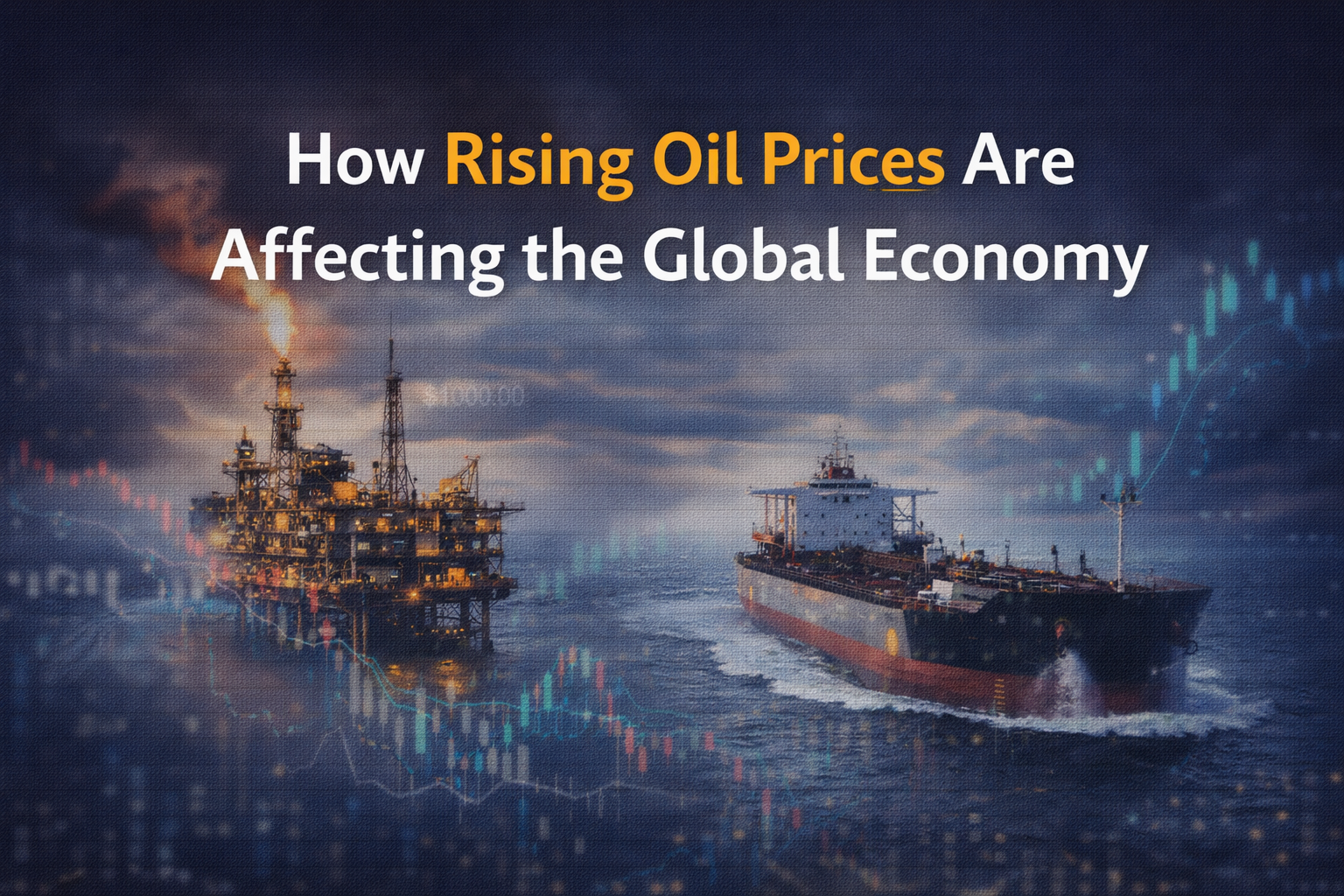
Global oil prices have surged recently due to geopolitical tensions and supply disruptions, drawing attention from businesses, policymakers, and consumers worldwide. While Malaysia is not at the center of the conflict, its economy is closely linked to global energy markets, making rising oil prices a topic of concern for both businesses and individuals.
Understanding the implications of higher oil prices can help borrowers, investors, and business owners make informed financial decisions.
Why Oil Prices Are Rising
Several factors have contributed to the recent surge in global oil prices:
- Geopolitical tensions: Conflicts in the Middle East have raised concerns about potential supply disruptions in key oil-producing regions.
- Supply constraints: Global oil production has struggled to keep pace with demand due to infrastructure limitations and production cuts in some regions.
- Market speculation: Investors reacting to geopolitical risks have increased trading activity, driving prices higher.
As a result, oil prices have risen above $100 per barrel, affecting energy costs worldwide.
Impact on the Global Economy
Rising oil prices have a ripple effect on the global economy:
- Higher Inflation: Increased energy costs raise transportation, manufacturing, and production expenses. Businesses often pass these costs on to consumers, leading to higher prices for goods and services.
- Reduced Consumer Spending: Higher fuel and utility costs reduce disposable income, potentially slowing down consumer demand in many economies.
- Impact on Borrowing and Investment: Central banks may adjust interest rates to manage inflationary pressure. For borrowers, this could mean higher loan repayments, while businesses might reconsider investment plans.
- Market Volatility: Rising oil prices can contribute to stock market fluctuations, affecting investor confidence and global financial stability.
What It Means for Malaysia
Malaysia’s economy, while resilient, is not immune to global oil price movements:
- Energy Costs: Businesses face higher operating costs, especially those relying heavily on transportation and manufacturing.
- Inflation Pressure: Increased costs of goods and services can impact household budgets.
- Borrowing Considerations: Higher global inflation could influence Bank Negara Malaysia’s monetary policy, potentially affecting lending rates.
Individuals and businesses should closely monitor the situation and plan their financial decisions accordingly.
How to Prepare Financially
In times of rising oil prices and global uncertainty:
- Plan Borrowing Wisely: Ensure loan or financing commitments are manageable even if interest rates or living costs increase.
- Monitor Investments: Diversify investment portfolios to hedge against volatility caused by global energy price swings.
- Optimize Business Costs: Businesses should consider cost-saving measures, energy efficiency, and operational adjustments.
Being financially prepared helps mitigate the impact of global oil price fluctuations.
Conclusion
Rising oil prices are a clear reminder of how interconnected the global economy is. While Malaysia remains relatively stable, businesses and individuals are encouraged to stay informed and make prudent financial decisions.
If you are exploring financing options or reviewing your financial strategy in response to global economic changes, Leap Concept can help assess your financial profile and identify suitable financing solutions.
📩 Contact Leap Concept today to explore financing options that support your financial goals.